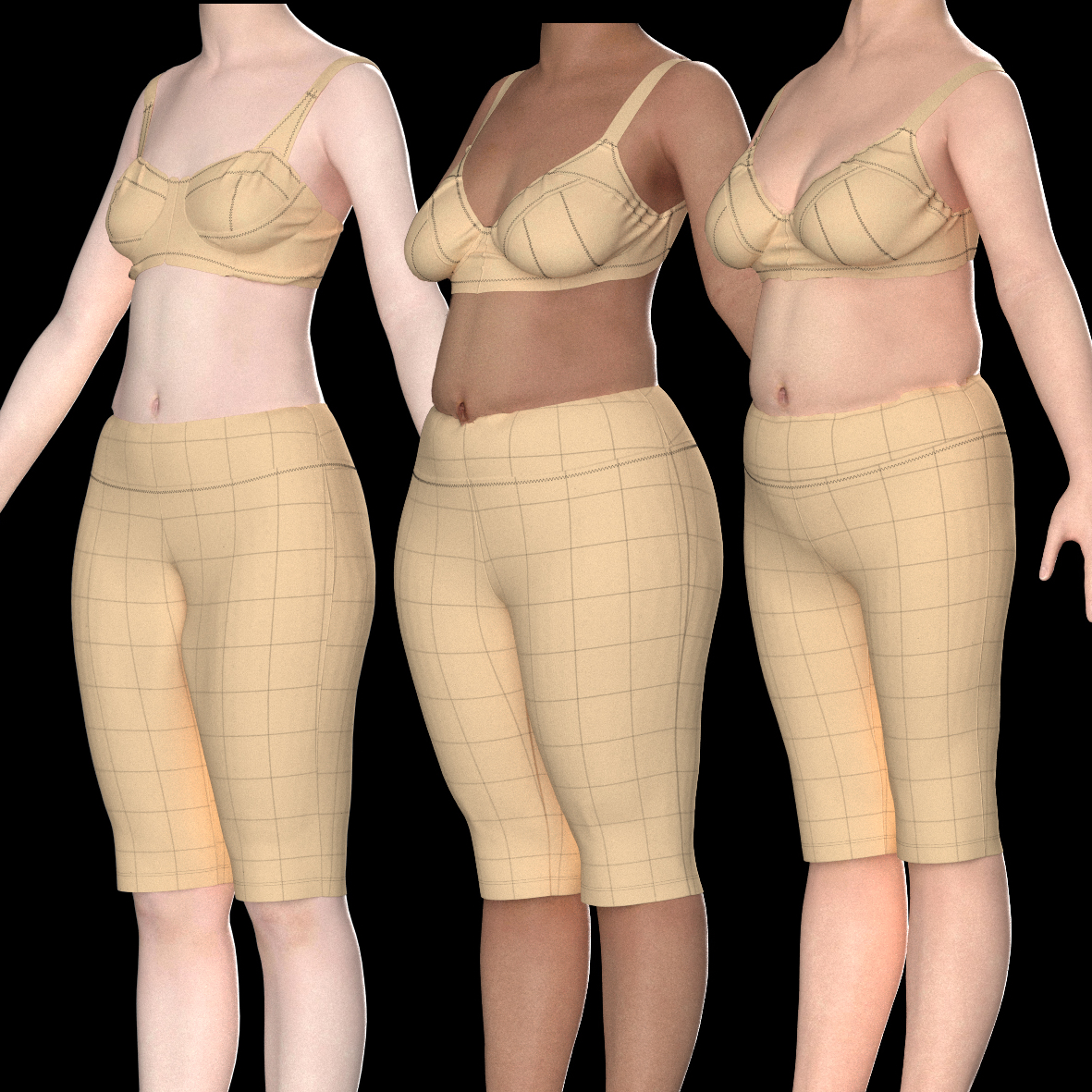
Soft-Tissue Distribution Through Virtual Fittings
This research was developed at Kwantlen Polytechnic University, supported by the NSERC Mobilize Funding
Researcher Name: Jessica Bayntun
Research Assistants: H.Wilson & H. Abbasimoghaddasi
Affiliation/Program: Fashion Design
Timeline of Project: April-August 2025
Research Stream/Area: Design for Inclusivity
Keywords: Virtual fitting, avatar, inclusive fit, soft tissue, apparel design
Overview:
This project explores how tight-fitting garments influence the redistribution of soft tissue on a female body. By working with a small group of female fit models, the study compared fitting environments in both physical and digital spaces as to determine the viability of virtual fittings in the apparel design process. By understanding the gaps between real-world garment fit and virtual simulations- accuracy and reliability of digital garment representation is needed through compression garments. Throughout the study researchers analyzed of how garments conform to and alter body shape in both physical and digital spaces. will be assessed from fit garment patterns, photographs, and measurement documentation.
Tight-fitting garments were developed to see how they influence the redistribution of soft tissue on a female body. Soft tissue varies drastically from body type and size, there are key parts of the body that are most impacted by manipulations that happen in garment fittings. By working with a small group of female fit models, the study compares fitting environments in both physical and digital spaces. Identifying the gap between real-world garment fit and virtual simulations, accurate and reliable digital garment representation is needed when working with compression or tight fitting garments. Multiple prototypes were developed and tested on the three fit models to assess pattern changes and fit improvements. Throughout the study researchers analyzed how garments conform to and alter body shape in both physical and digital spaces. This project also supported the development of FASN 3111: Digital Clothing and Avatar Creation for Diverse Body Types, a new course in the Fashion Design & Technology program that uses these findings to improve digital garment design.
Approach:
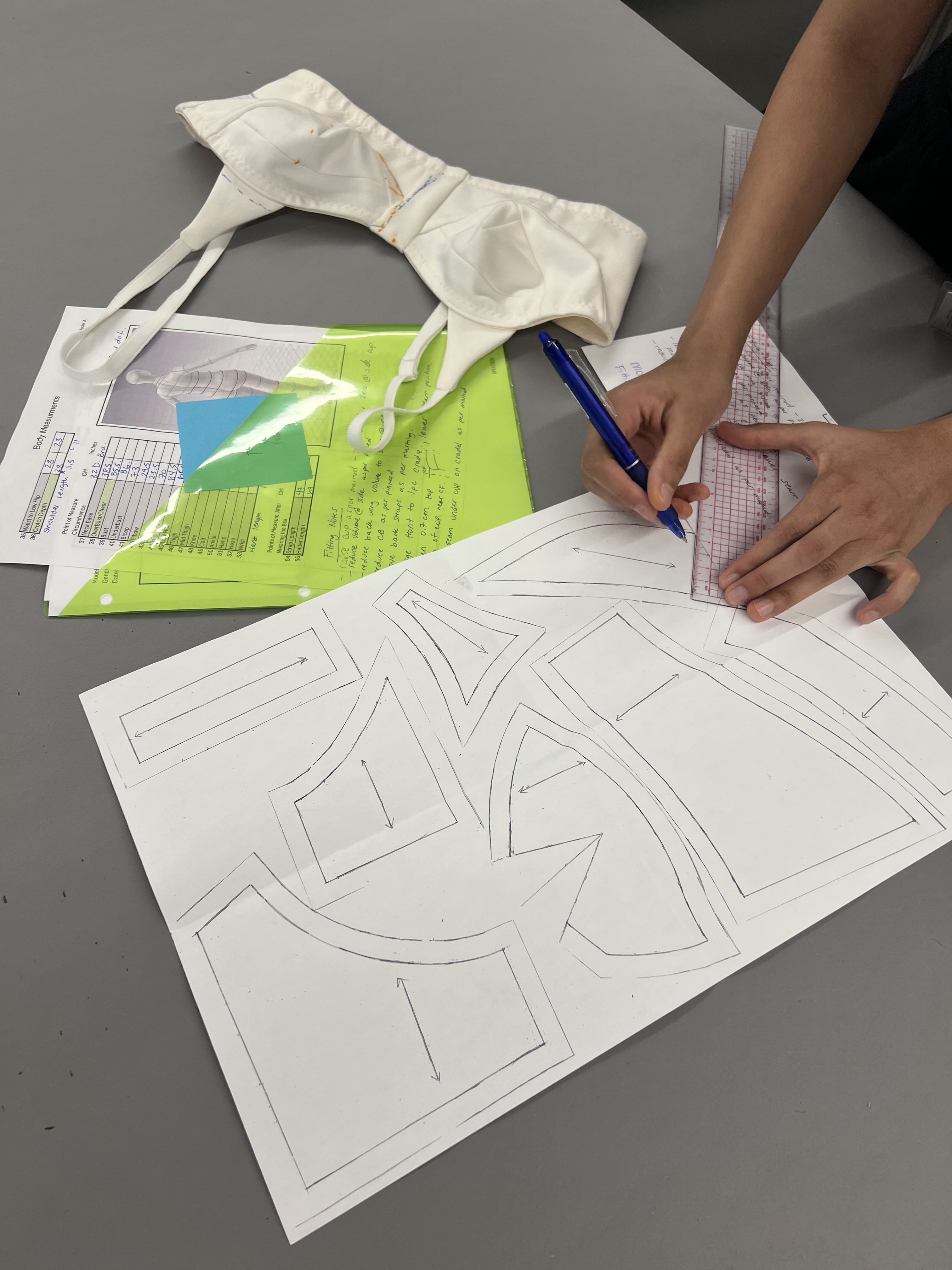
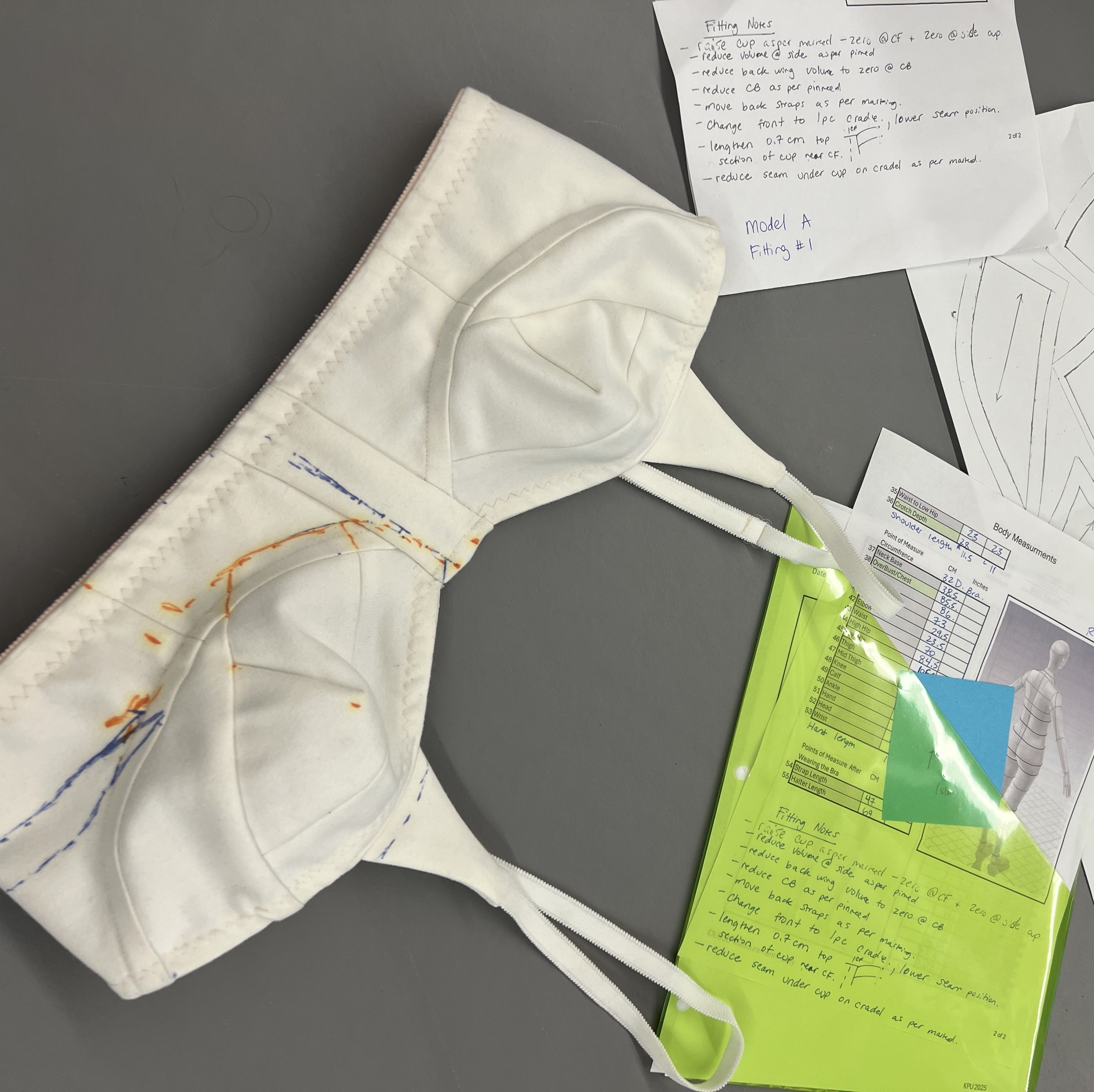
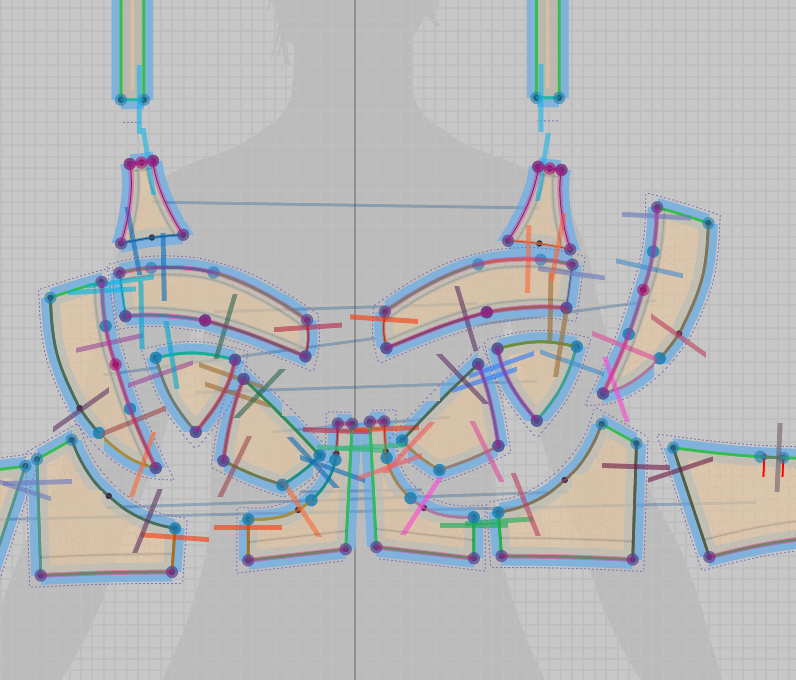
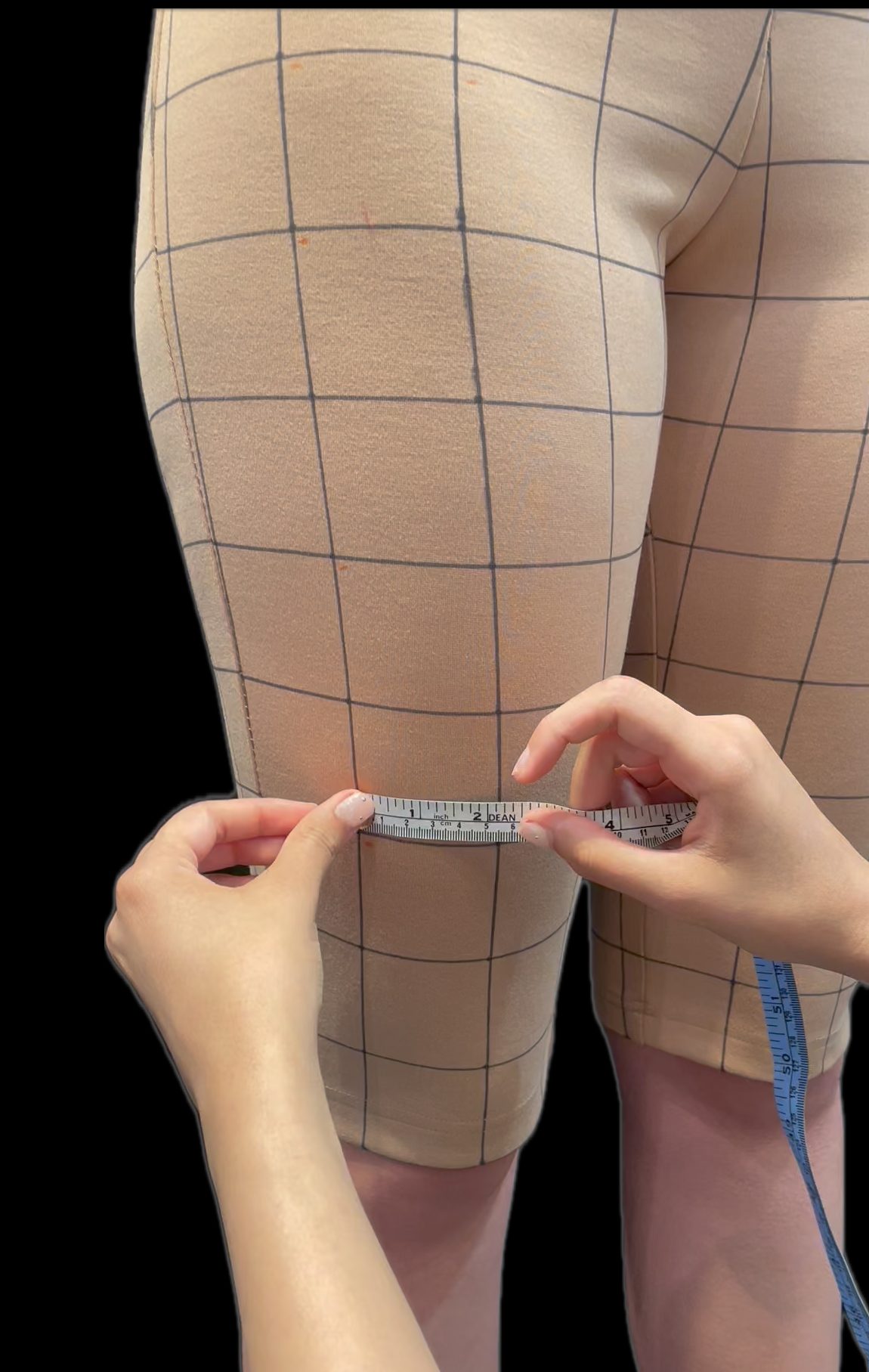
This study follows a practice‑based research approach through iterative garment design prototyping, physical fittings, digital simulations, and comparative analysis. The research compares physical garment fittings on live fit models with avatar‑based digital simulations to examine how tight‑fitting garments influence soft tissue redistribution on the female body. Physical garments were developed, fitted, measured, and documented through photographs and fit notes to establish a benchmark for comparison. The garments and participants were simulated in CLO3D using custom‑sized avatars.
Rather than isolating individual variables, the study examines the combined interactions between body, garment, and digital system, identifying areas of alignment and discrepancy between physical and virtual environments. This approach supports a systematic evaluation of the accuracy and limitations of digital garment simulation tools in representing soft tissue behaviour.
Outcomes:
The practice‑based investigation of physical garment fittings and digital simulations yielded design artefacts and research insights that function as a framework for understanding how tight‑fitting garments influence soft tissue redistribution on the female body, and how these changes are represented within virtual fitting environments.
The project generated a curated research repository for reference, including fit patterns, measurement data, photographic documentation, digital renderings, and iterative physical and virtual prototypes. Together, these outputs document how comparative physical and digital engagement reveals both the potential and current limitations of digital fitting systems, positioning the body as an active site of fit evaluation within evolving apparel technologies.
Impacts:
The project reframes digital fitting as a tool for engaging critically with garment development rather than fully replacing physical methods. By emphasizing embodied comparison and material accuracy, it supports more realistic adoption of digital workflows within evolving apparel production systems.

